Towing Near Me: Your Complete Guide to Finding Reliable Local Towing Services
A vehicle breakdown can happen at the worst possible time. Your car may stop working on a busy road, refuse to start late at night, or become undrivable after an accident. In these situations, knowing what to do can help you stay safe and get professional help faster.
An emergency towing service can provide more than simply moving your vehicle. Depending on the situation, a towing company may also offer roadside assistance, accident recovery, jump starts, tire changes, vehicle lockout assistance, and other emergency services.
If you suddenly need a tow truck near me, this guide explains what to do, what information to provide, and how to choose the right towing service for your situation.
What Is Emergency Towing?
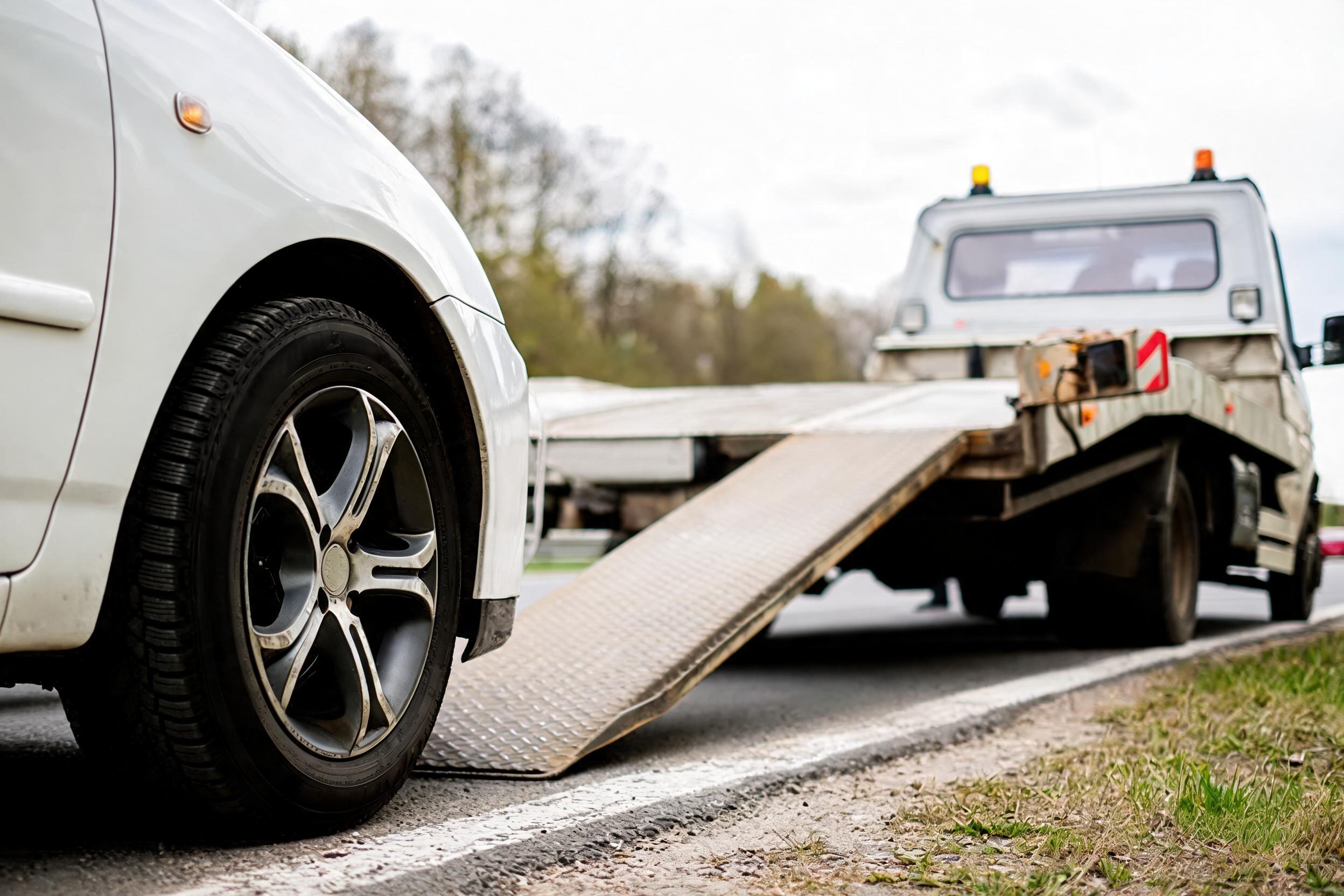
Emergency towing is a towing service designed to help drivers when a vehicle cannot safely continue its journey.
Unlike planned vehicle transportation, emergency towing is usually requested because something unexpected has happened, such as:
A sudden vehicle breakdown
A traffic accident
A flat tire that cannot be changed
Engine or transmission failure
A dead battery
Overheating
A vehicle stuck in an unsafe location
A vehicle that will not start
Severe mechanical problems
The goal is to get the vehicle and driver to a safer location or transport the vehicle to a repair facility.
When Should You Call an Emergency Towing Service?
Not every car problem requires a tow truck. Some issues can be solved with basic roadside assistance, while others require the vehicle to be transported.
You should consider calling for emergency towing when your vehicle cannot be safely driven.
For example, if the engine has completely failed, the vehicle has major accident damage, the wheels are damaged, or continuing to drive could make the problem worse, towing may be the safest option.
If you are unsure whether you need a tow, explain the problem to the dispatcher. A professional towing company can help determine whether you need towing or another roadside service.
Step 1: Move to a Safe Location If Possible
Your safety should be the first priority during a roadside emergency.
If the vehicle is still able to move and it is safe to do so, pull over to a secure location away from moving traffic. Turn on your hazard lights to make the vehicle more visible.
If you are on a busy highway or another dangerous road, avoid standing directly next to the vehicle or in traffic.
If moving the vehicle is not possible, remain in the safest available location and contact an emergency towing service or roadside assistance provider. For official road safety guidelines, check out the Federal Motor Carrier Safety Administration (FMCSA).
Step 2: Assess the Situation
Before calling a tow truck, take a moment to understand what happened.
Ask yourself:
Did the vehicle suddenly stop?
Is the engine overheating?
Is there smoke or an unusual smell?
Is the vehicle involved in an accident?
Is a tire damaged?
Is the battery dead?
Can the vehicle still move?
Is the vehicle blocking traffic?
You do not need to diagnose the mechanical problem yourself. However, giving the towing company a basic description can help the dispatcher determine what type of assistance you need.
Step 3: Find a Local Tow Truck Quickly
When you are stranded, searching for a nearby provider can save valuable time.
You may search online for terms such as tow truck near me, emergency towing near me, or 24/7 towing service.
Before choosing a provider, check whether they actually operate in your location and whether they can dispatch a truck immediately.
A nearby local towing service may be able to respond faster because the driver is already operating within the area.
Step 4: Give the Dispatcher Your Exact Location
One of the most important pieces of information you can provide is your location.
Tell the dispatcher:
Your street or highway
Nearest intersection
Nearby landmark
Direction of travel
Exit number if you are on a highway
Your location relative to a recognizable building or sign
If you have access to your phone’s location services, sharing your location can also help the driver find you.
Accurate location information reduces confusion and can help the tow truck service reach you more efficiently.
Step 5: Explain Your Vehicle’s Condition
Tell the towing company exactly what is happening with your vehicle.
For example:
“My car stopped running and will not start.”
“The front wheel was damaged in an accident, and the vehicle cannot move.”
This information matters because the company may need to send a specific type of equipment.
A vehicle with accident damage may require a flatbed tow truck, while another situation may be suitable for wheel-lift towing.
What Type of Tow Truck Do You Need?
The right towing equipment depends on the vehicle and the problem.
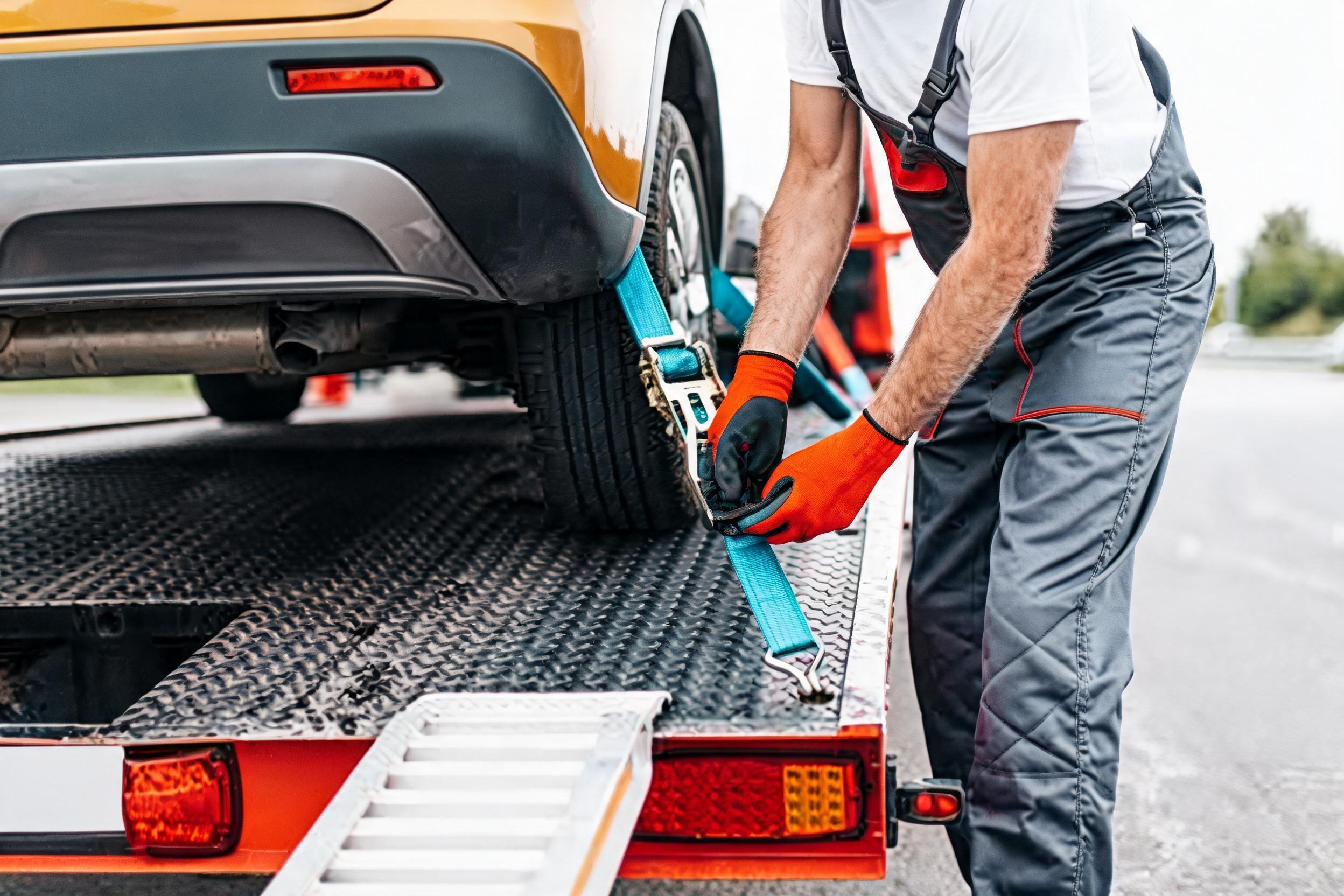
Flatbed Towing
A flatbed tow truck carries the vehicle completely on a flat platform. This method can be useful for damaged vehicles, luxury cars, vehicles with serious mechanical problems, and certain vehicles (refer to guidelines provided by Car Care Council) that should not be driven with their wheels on the road.
Wheel-Lift Towing
Wheel-lift towing raises part of the vehicle using a specialized lifting mechanism. It can be suitable for certain standard towing situations where the vehicle can safely be transported this way.
Accident Recovery
Vehicles involved in serious accidents may require specialized accident towing equipment, particularly when wheels, suspension components, or other parts of the vehicle are damaged.
Always explain the vehicle’s condition before the truck is dispatched so the company can determine the appropriate equipment.
What Information Should You Have Ready?
When contacting an emergency towing service, having the following information ready can make the conversation easier:
Your exact location
Vehicle make and model
Vehicle color
Description of the problem
Whether the vehicle can move
Whether there is accident damage
Your destination
Your phone number
If possible, also tell the dispatcher whether the vehicle is blocking traffic or located in a potentially dangerous position.
Ask About the Estimated Arrival Time
Once you request a tow truck, ask for an estimated arrival time.
Emergency situations can change quickly, and actual arrival times may depend on traffic, weather, road conditions, and the number of active calls.
A professional dispatcher should provide a reasonable estimate and update you if there is a significant delay.
This is especially important when you are waiting at night or in an isolated location.
Ask About the Price Before the Tow Begins
Emergency situations can make it tempting to accept the first available service without asking about the cost.
However, you should still request a price estimate whenever possible.
Towing costs may depend on:
Distance
Vehicle size
Type of tow truck
Time of day
Location
Accident recovery requirements
Additional roadside services
Storage or waiting fees
Ask whether the quoted price includes mileage, hookup fees, after-hours charges, or other potential costs.
Clear pricing helps you understand what you are paying for before the vehicle is transported.
What Should You Do While Waiting for the Tow Truck?
After contacting a 24/7 towing service, continue to prioritize your safety.
Keep your hazard lights on when appropriate and remain in a safe location.
If you are on a busy road, do not stand behind or directly in front of your vehicle. Avoid attempting complicated repairs in traffic.
Keep your phone nearby so the dispatcher or driver can contact you.
If the driver calls, be prepared to describe your location again and provide nearby landmarks if necessary.
What Happens When the Tow Truck Arrives?
When the driver arrives, confirm that they are from the company you contacted.
Explain the vehicle’s condition again if necessary and tell the driver where you want the vehicle taken.
Before the vehicle is loaded, ask any remaining questions about the towing process or destination.
If your vehicle has visible damage, especially after an accident, it can also be useful to document its condition with photos before transportation when it is safe to do so.
Where Can a Tow Truck Take Your Vehicle?
An emergency towing service can often transport your vehicle to a destination such as:
A mechanic
An auto repair shop
A dealership
A body shop
Your home
A storage facility
Tell the dispatcher your preferred destination when requesting the service.
If your vehicle was involved in an accident, check with your insurance provider or repair facility if there are specific instructions regarding where the vehicle should be taken.
Emergency Towing vs. Roadside Assistance
It is useful to understand the difference between towing and roadside assistance.
Roadside assistance is designed to solve certain problems at the location where your vehicle stopped.
It may include:
Battery jump starts (for helpful battery maintenance tips, check AAA)
Flat tire assistance
Fuel delivery
Lockout assistance
Minor roadside help
Emergency towing is generally needed when the vehicle cannot safely continue driving or requires transportation to another location.
For example, a dead battery may only require a jump start. However, if the engine has suffered a major failure, towing may be necessary.
How to Choose a Reliable Emergency Towing Company
When you need help quickly, look for a provider that offers:
24/7 Availability: A 24/7 towing service can help when emergencies happen outside regular business hours.
Fast Local Response: A local provider may be able to reach your location more efficiently, depending on current availability and traffic.
Appropriate Equipment: Make sure the company can handle your vehicle and its condition.
Clear Pricing: Ask for an estimate and clarify possible additional fees before the tow begins.
Good Communication: The dispatcher should clearly explain the expected arrival time and service process.
Multiple Services: A company offering both towing and roadside assistance can be useful when you are not sure exactly what type of help you need.
Common Mistakes to Avoid During a Towing Emergency
A stressful situation can lead to rushed decisions. Try to avoid these common mistakes:
Ignoring your safety: Do not focus on the vehicle while putting yourself in danger.
Driving a seriously damaged vehicle: Continuing to drive can potentially cause additional damage or create a safety risk.
Giving an unclear location: Always provide the most accurate location possible.
Not explaining the vehicle’s condition: The towing company needs this information to select suitable equipment.
Accepting unclear pricing: Ask about the expected cost before the service begins.
Choosing a company without checking availability: Make sure the provider can actually dispatch a truck to your location.
Frequently Asked Questions About Emergency Towing
How quickly can an emergency tow truck arrive?
Arrival times vary depending on location, traffic, weather, current demand, and driver availability. Ask the towing company for an estimated arrival time when you make the request.
Can I call a tow truck at night?
Yes. Companies that offer 24/7 towing service can provide towing assistance outside normal business hours. Availability depends on the provider and service area.
Do I need towing if my car won’t start?
Not necessarily. A dead battery, for example, may only require a jump start. Explain the problem to the towing company so they can determine whether roadside assistance or towing is appropriate.
What should I do if my car breaks down on a highway?
Move to a safe location if possible, turn on your hazard lights, avoid standing in traffic, and contact roadside assistance or an emergency towing service. Provide your direction of travel, highway name, exit number, and nearest landmark.
Is a flatbed tow truck better for a damaged car?
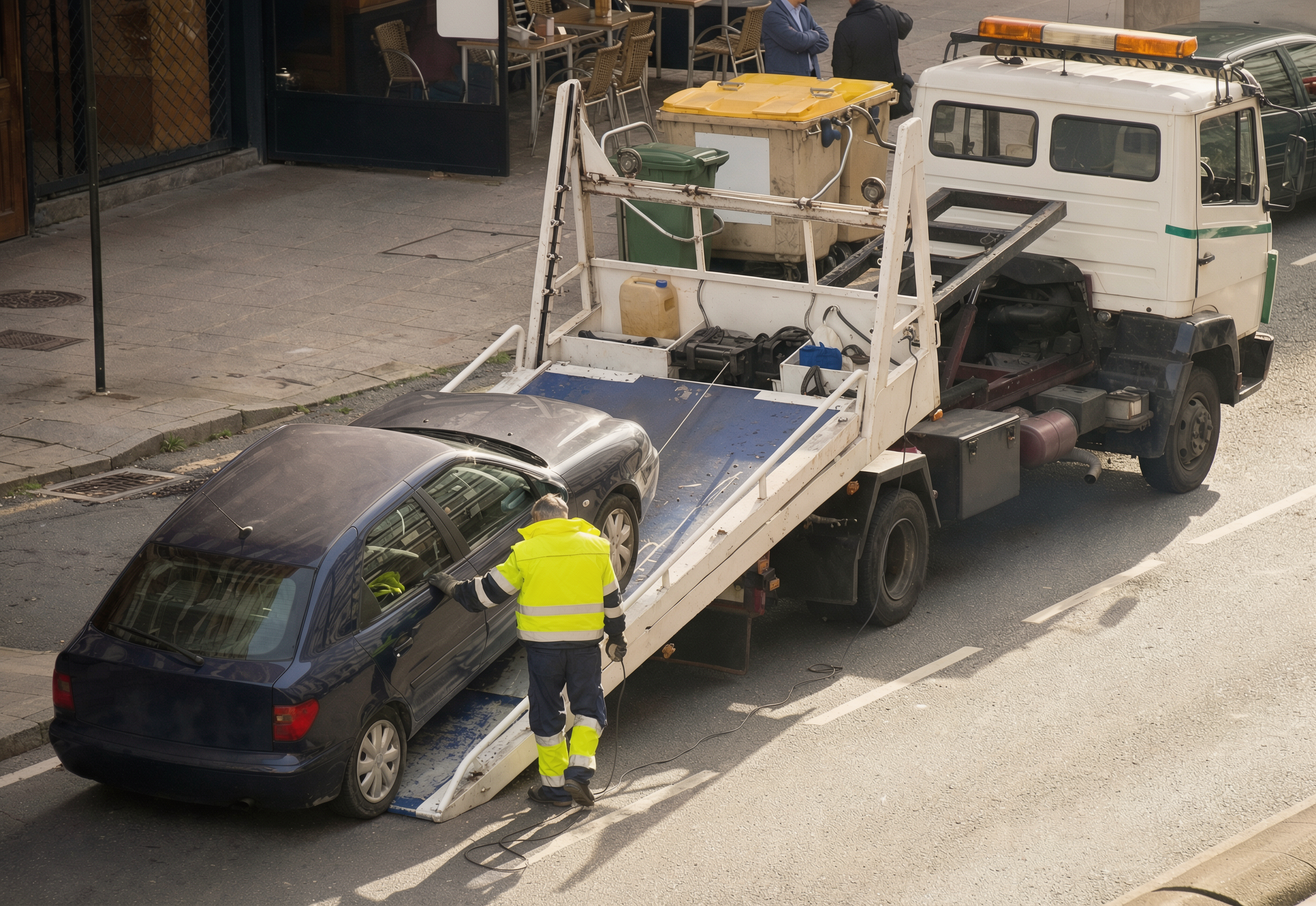
A flatbed tow truck can be suitable for many damaged vehicles because the entire vehicle is carried on the platform. The appropriate towing method depends on the vehicle’s condition and the type of damage.
Final Thoughts
A vehicle emergency can be stressful, but knowing what to do can make the situation much easier to manage. Start by protecting your safety, assess whether the vehicle can be moved, and contact a professional emergency towing service when transportation is necessary.
Give the dispatcher your exact location, explain your vehicle’s condition, ask about arrival time and pricing, and make sure the company has the right equipment for your vehicle.
Whether you need emergency towing, accident recovery, or roadside assistance, choosing a reliable local provider can help you get off the road and get your vehicle to the right destination safely.